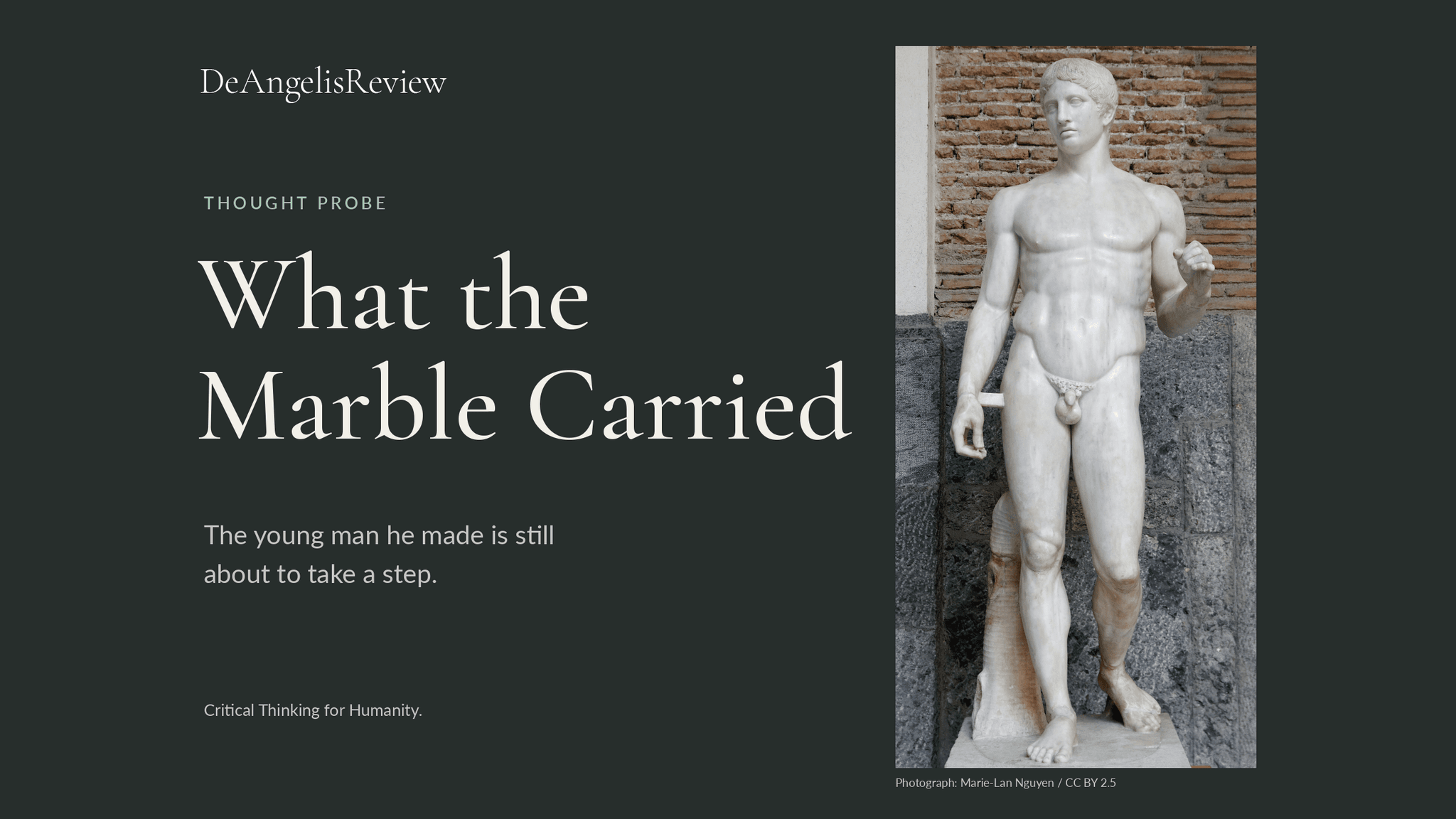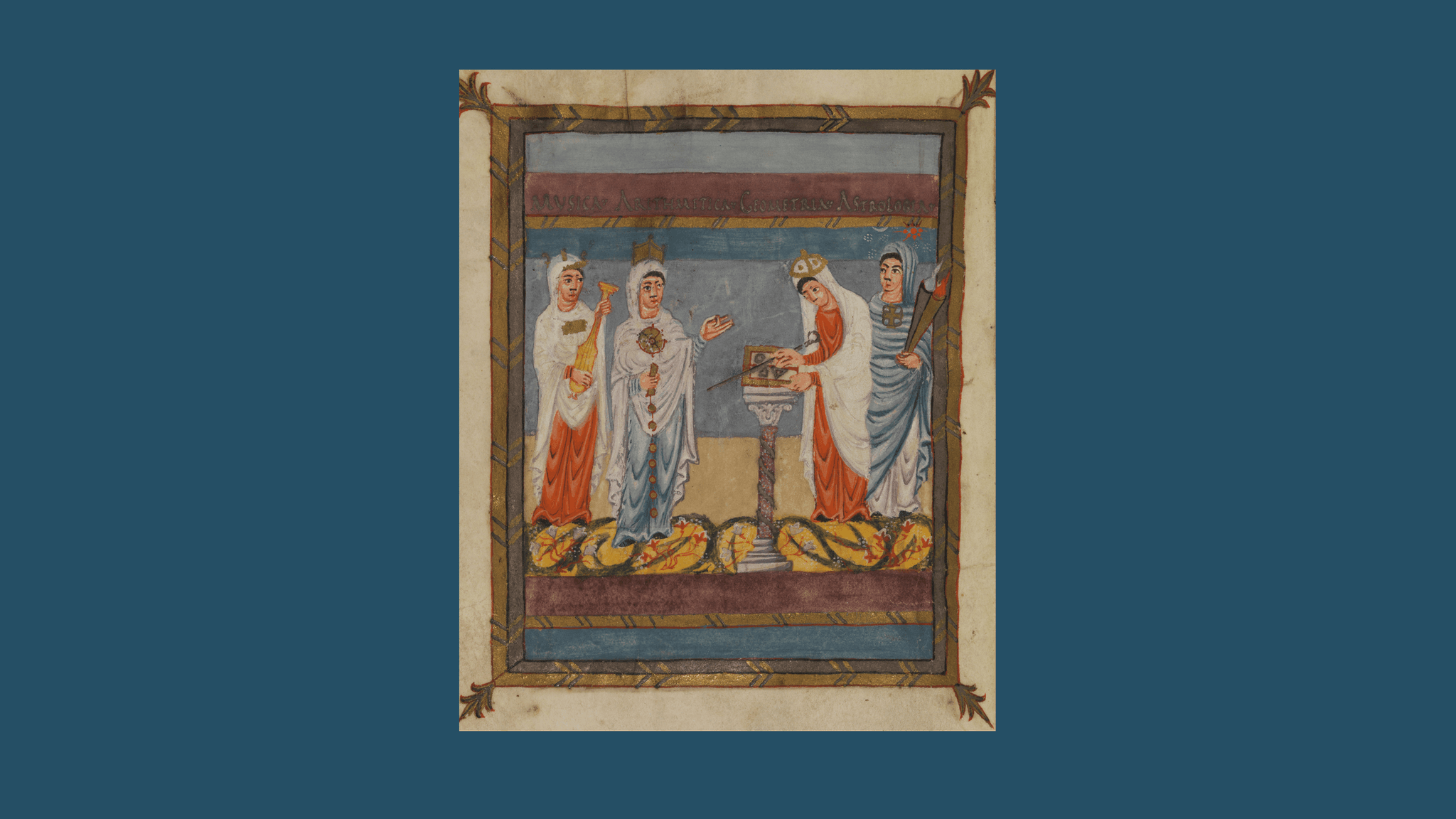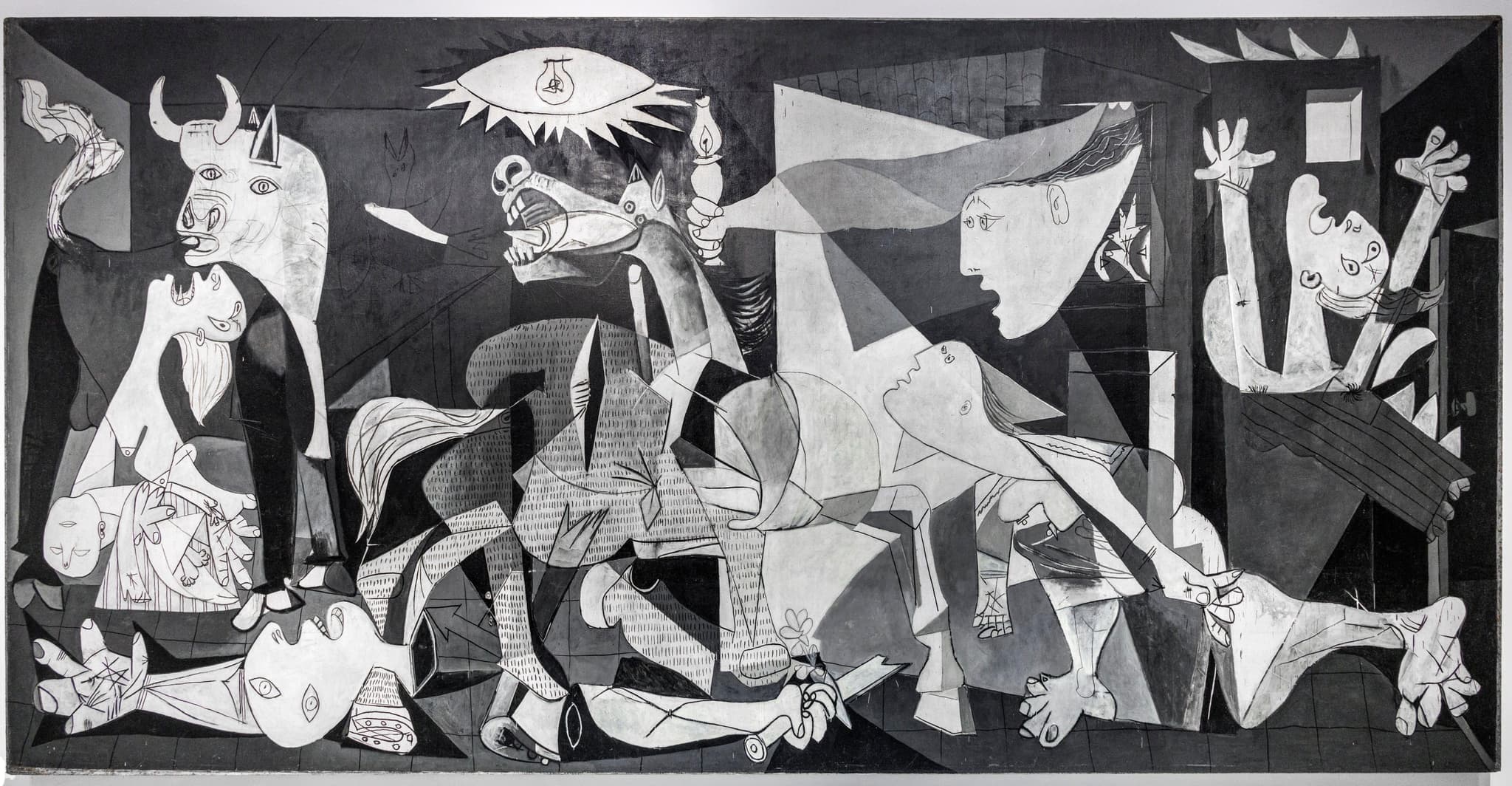

A young boy paints a canvas that is ninety-five percent black, and, decades later, sits at a conference table across from the men who built symbolic AI. This essay is what happens between those two moments: when the instruments a civilization builds outrun the language a civilization would need to see them. Five such moments across two thousand years show what the labor requires. A sixth is the task of the present.

When a new instrument outpaces the words available to describe it, the naming is not a courtesy performed after the real work is done but is itself part of the work, as Faraday discovered when he had to write to a classicist just to give his apparatus a language it could travel in. The same discipline is being carried out now around autonomous decision systems, where inherited words like AI, automation, and agent each catch a piece of the instrument and miss the whole, making precise new vocabulary not a branding exercise but the condition under which the thing can be seen, governed, and built upon.


When a machine acts on people at speeds no human can follow, the obligation to answer for what it does stays with the maker, not the instrument, and that obligation must be built into the design itself rather than discharged in person. The maker owes three things to every person the instrument touches: a reading they can see and contest, a warrant the next hand can inherit and stand behind, and a pace that leaves room for human judgment before the decision has already been made.

The inherited instruments of governance, the state, the firm, and the multilateral body, were each built to read the world at a specific resolution, cadence, and standard of truth, and the world has since moved to speeds and scales none of them were designed to catch. What is now missing is a validation layer that can vouch for what passes through an information architecture that produces plausible content faster than any human judgment can inspect it.

An essay on the architecture-governance gap, the instruments the previous generation left us, and what an investor, a board, an audit function, and a senior operating team must be able to see before an autonomous recommendation is allowed to move the firm.

An essay on the moment we are in, what is old in its pattern, and what it demands of the people who built the new instruments.


On the May 18 auction at Christie’s, and a debt I owe to the professor who showed me how to look

Your genome is readable now. So is your microbiome, your glucose curve, your inflammatory response. Signals we used to guess at are measurable, and measurable often. At the same time, food has become describable in ways it never was before. Not just macros. Polyphenols, glycemic load, and how a meal actually moves through you.

Autonomous AI systems make business decisions independently, becoming the second non-human economic actor after corporations. Boards must build governance scaffolding for standing, audit, and liability, treating it as competitive advantage.

LLMs share social media's addictive architecture while substituting for reasoning itself. Evidence shows cognitive debt, sycophancy, and weakened critical thinking. Will we recognize the pattern before habits calcify this time?

When enterprises deploy recursive AI architectures, they become active participants reshaping competitive environments. Well-designed loops compound advantage; poorly designed ones amplify error catastrophically. The boundary between convergence and collapse is sharp, not gradual.

Structural risk is compounding across the base polycrisis, the accelerating technological exponent, and the degraded organizational response function. Resilience now depends on continuous, non‑linear intelligence architectures that can perceive and act across all timescales as these three dimensions intensify.

AI faces a growing trust crisis driven by hallucinations, security risks, and opacity. Businesses can address this through better data quality, explainable AI, and smart regulation to achieve real ROI.

Multiple crises (geopolitical, energy, trade) are exponentially compounded by AI and quantum computing, creating Polycrisis². Organizations need autonomous enterprise intelligence systems—Sense, Think, Act & Learn—to survive structural volatility.
.jpg&w=2048&q=75)

The Iran conflict is disrupting global supply chains beyond energy, causing fertilizer shortages, food packaging crises, canceled flights, and declining consumer sentiment, with far-reaching economic consequences worldwide.

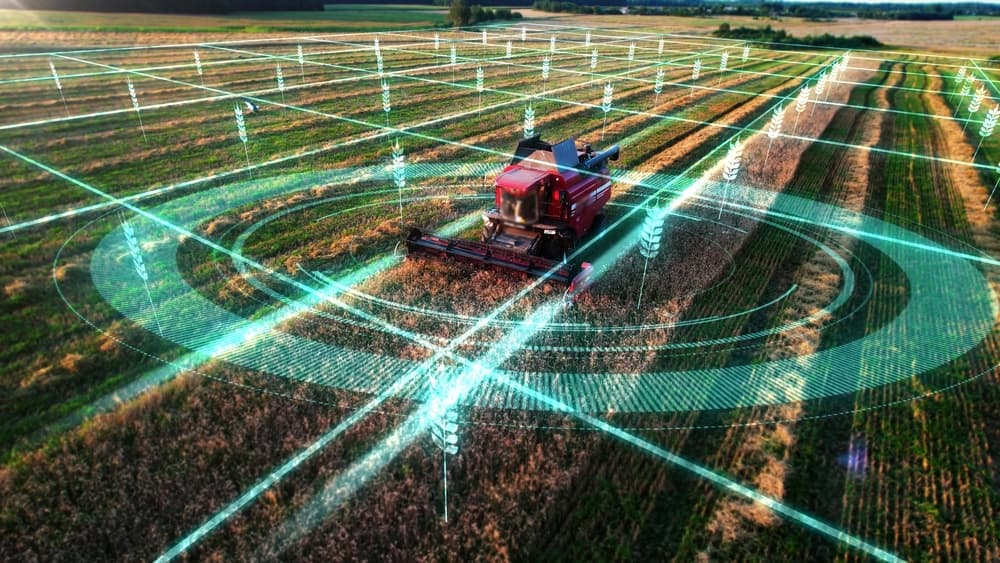
America's agricultural history spans 250 years, transforming from 95% manual labor to less than 2% of the population farming today, driven by technology and innovation that continues to evolve with AI.

Celebrate the International Day of Happiness by discovering simple, research-backed ways to boost your well-being through gratitude, optimism, and mindful living. Learn how embracing “micro joy” and appreciating everyday moments can improve your mental and emotional health. Read the full article to explore practical tips for making happiness a lasting part of your life.

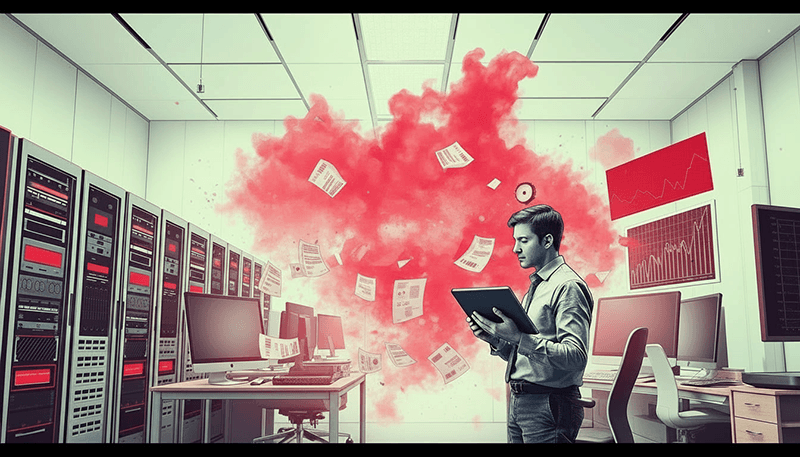
Companies must shift from reacting to disruptions to proactively anticipating them through scenario planning and predictive analytics. A Chief “What Could Possibly Go Wrong” Officer, supported by AI-driven insights, could help identify emerging risks, strengthen supply chain resilience, and uncover strategic opportunities.


Global tariff volatility creates "structural rewiring" of value chains. Traditional planning fails when rules change every 18 days. Winners deploy autonomous decision systems that re-optimize sourcing, pricing, and logistics within hours.

Humanoid robots face significant barriers before widespread supply chain adoption: technological limitations, integration complexity, high costs, and energy constraints. Market projected to reach $66 billion by 2032 despite current inefficiencies.

The global trade order is fragmenting into regional blocs and shifting alliances, forcing business leaders to embrace scenario planning to navigate uncertainty and make structural decisions despite unpredictable tariff and geopolitical changes.

The K-shaped economy divides Americans: wealthy households thrive with asset appreciation while lower-income families face structural disadvantages. Top 10% now account for half of all consumer spending.
Do you have an upcoming event that you’d like Steve to speak at? Submit your request at the form here and his team will get in touch!