
Exploring Reason, Technology, and Humanity
Explainer Briefs
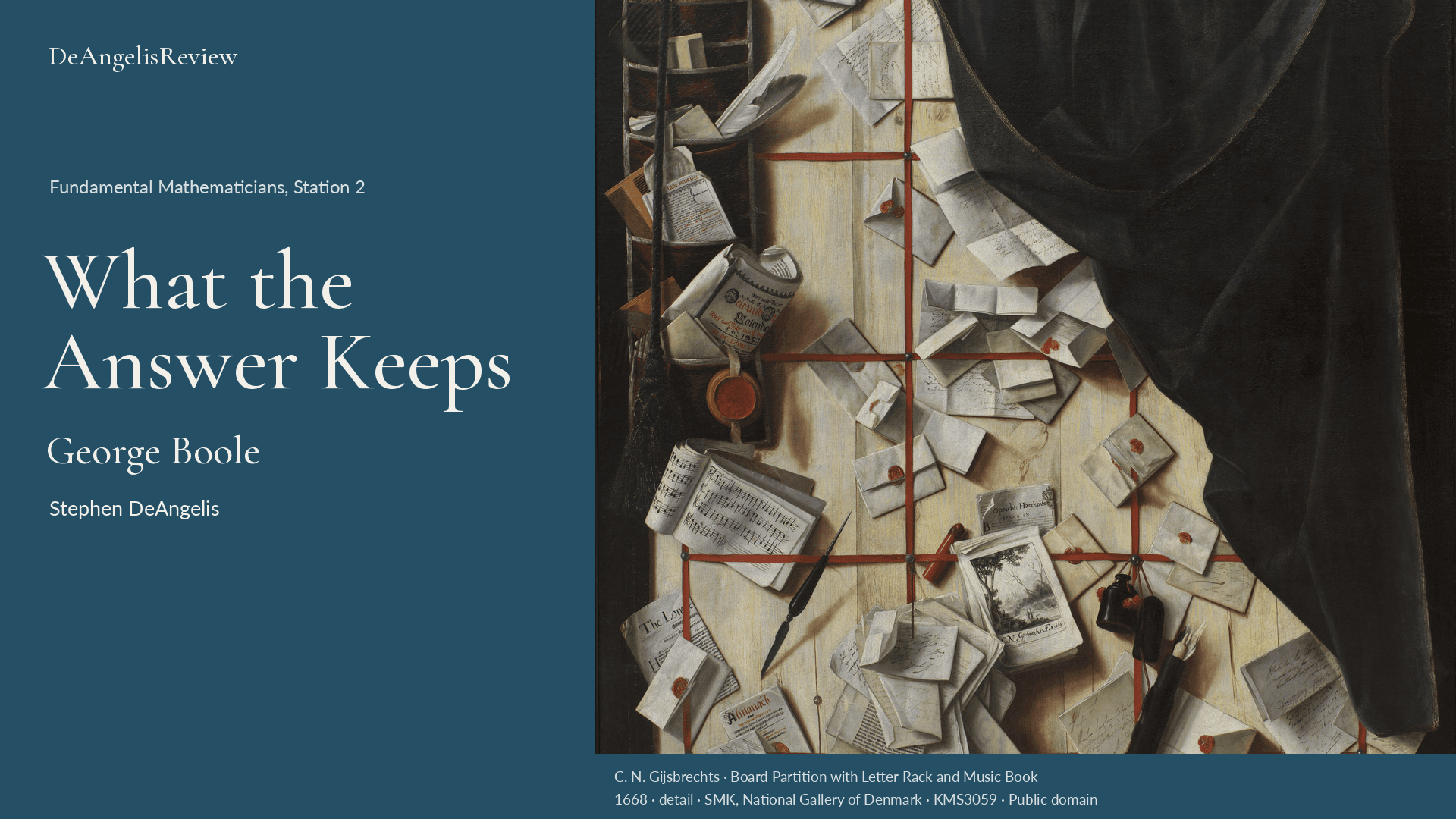
George Boole’s 1854 Laws of Thought contains a correct answer whose working held a hidden fact, that his two premises overlapped, which the answer itself never recorded and which he found only by going back to them. Following Boole, Jevons, and Shannon, the essay argues that whoever chooses the form of an answer decides what it can still say when a premise is later withdrawn, a choice the mathematics leaves entirely to us.
.png&w=2048&q=75)
From Llull’s wheel to Leibniz’s dream of ending disagreements through calculation, mathematicians have long sought to turn reasoning into mechanical processes. Each invention handed part of the work to a machine while leaving something for humans to supply—a question that remains just as relevant today.
Thought Probes
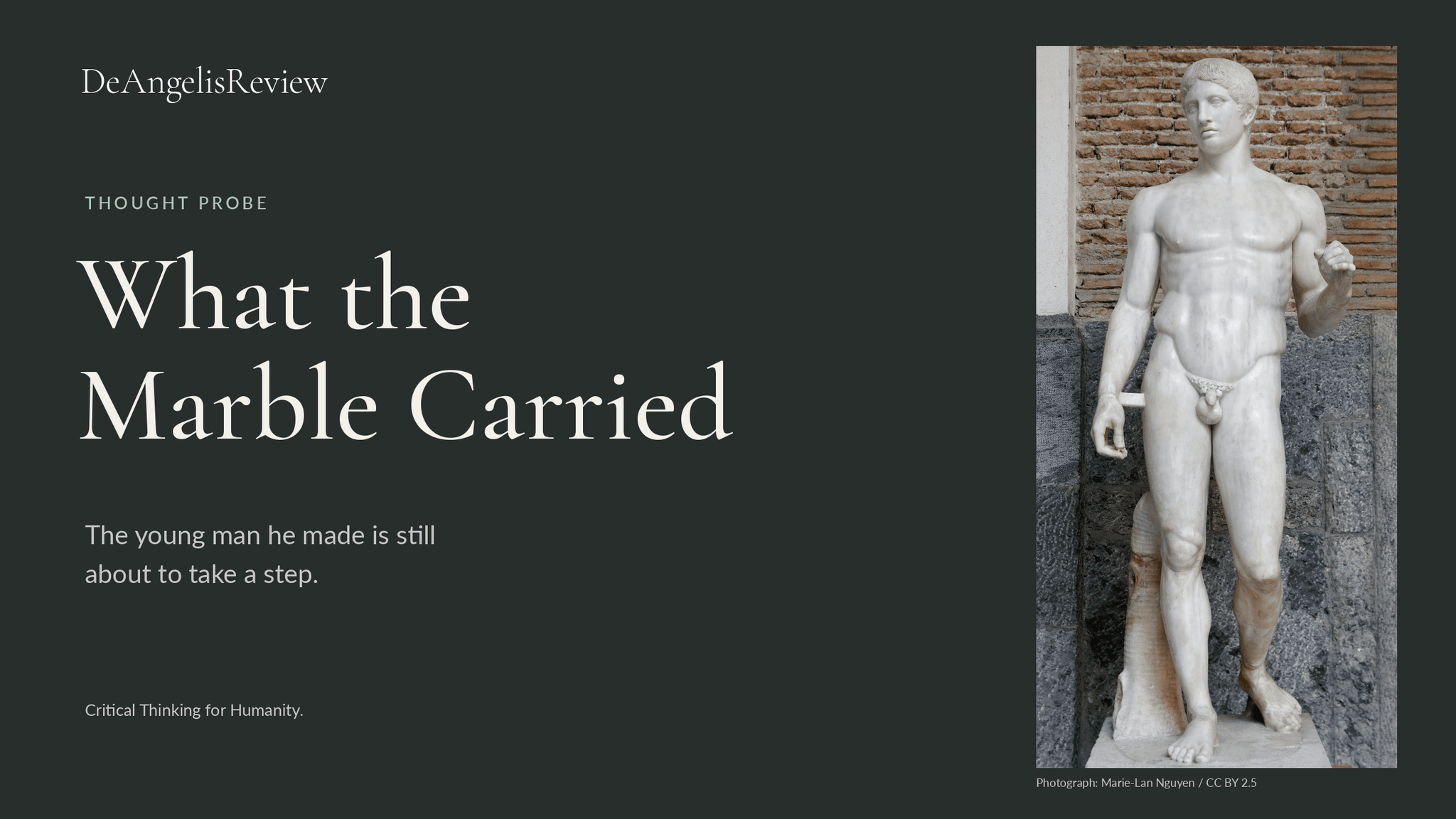
Through Polykleitos’ Doryphoros, this essay explores what happens when the rules behind something are lost but the result survives. The pieces can be preserved precisely, while the relationships that made the whole work slowly disappear.
Applied Mathematics
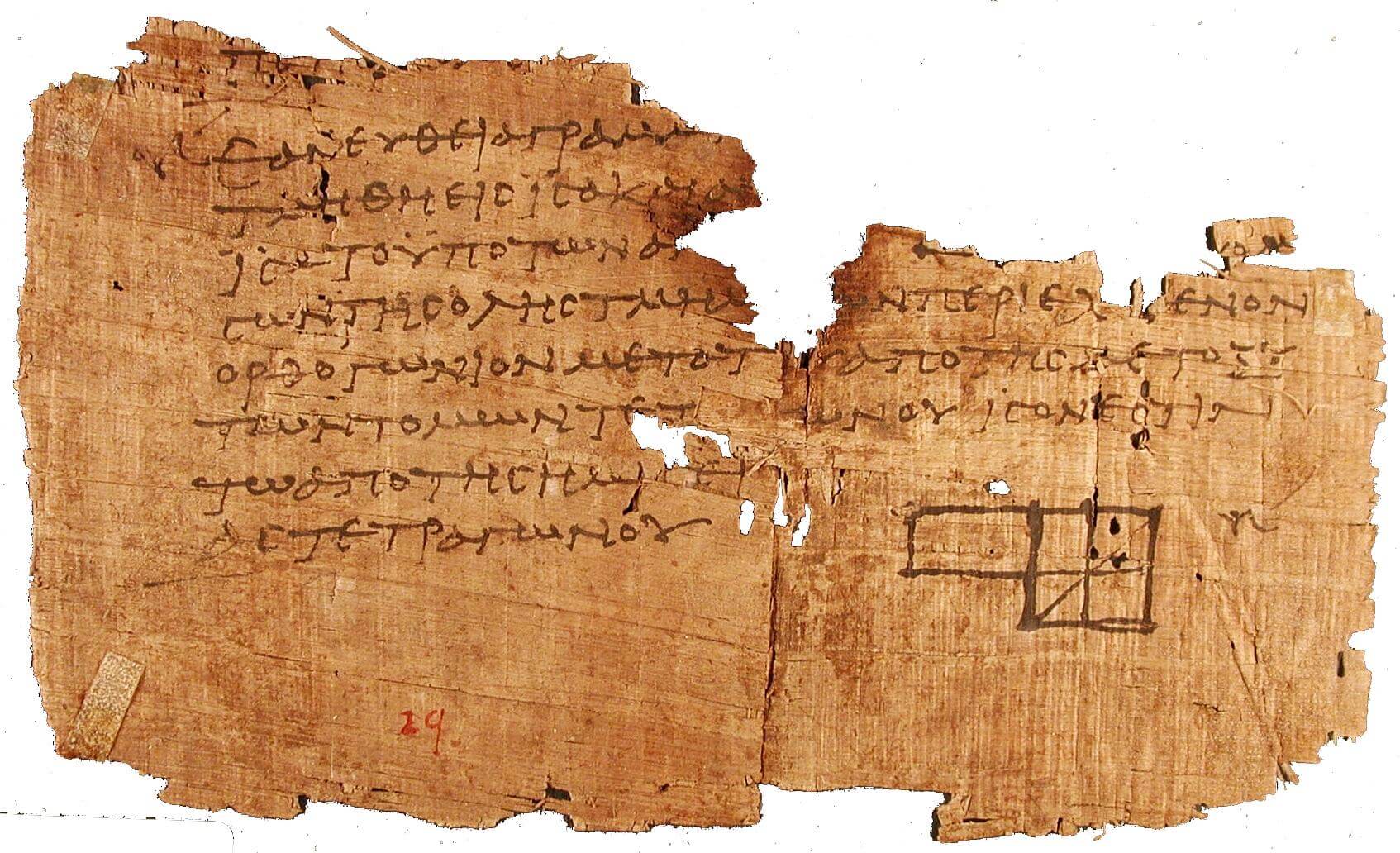
A preserved page gives another reader a chance to question what is written on it. What the Pages Reveal is my companion essay to The Pages That Carried.
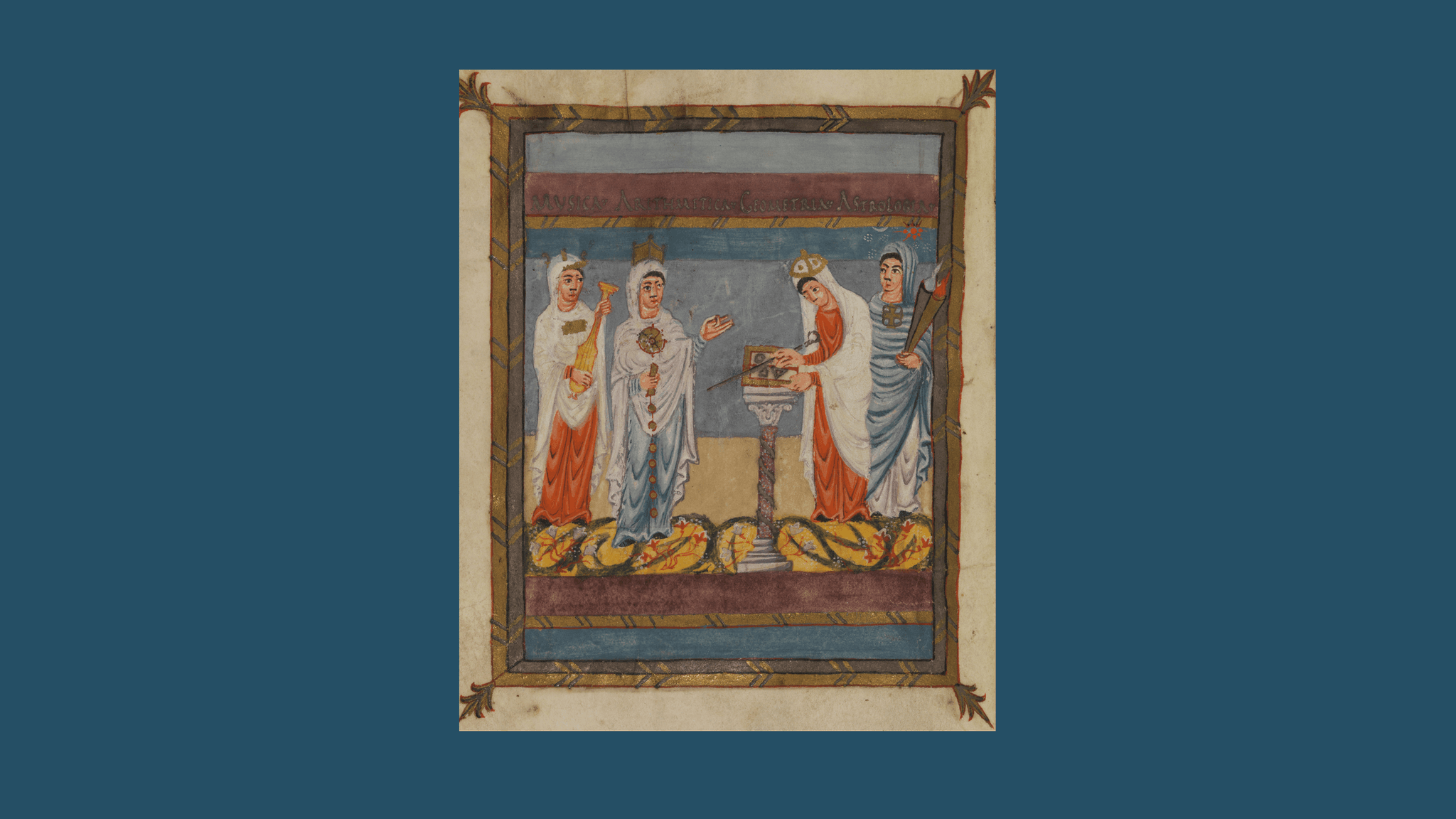
The Pages That Carried, Part One follows the human work that kept reasoning usable across centuries. Copyists, translators, commentators, and teachers did that work, in Baghdad and Cordoba as well as in Latin Europe, and somebody paid for it. Avicenna changed what a logical system could ask along the way.

Thought Probes
A New York gallery sold an AI-colorized Ansel Adams with a wall label that credited the printer but no artist — raising the question of who’s actually responsible when a machine makes the work. This essay follows that question through three institutions that answered it in public this summer, in Los Angeles, New York, and Belfast, and finds no two agree.
Applied Mathematics

Explainer Briefs
A young boy paints a canvas that is ninety-five percent black, and, decades later, sits at a conference table across from the men who built symbolic AI. This essay is what happens between those two moments: when the instruments a civilization builds outrun the language a civilization would need to see them. Five such moments across two thousand years show what the labor requires. A sixth is the task of the present.
Explainer Briefs
When a new instrument outpaces the words available to describe it, the naming is not a courtesy performed after the real work is done but is itself part of the work, as Faraday discovered when he had to write to a classicist just to give his apparatus a language it could travel in.

Explainer Briefs
When a machine acts on people at speeds no human can follow, the obligation to answer for what it does stays with the maker, not the instrument, and that obligation must be built into the design itself rather than discharged in person. The maker owes three things to every person the instrument touches: a reading they can see and contest, a warrant the next hand can inherit and stand behind, and a pace that leaves room for human judgment before the decision has already been made.


